Property Data · 4 min read
UPRN-first. Why durable property identity matters
Address strings drift. A durable property identifier is the anchor that makes reuse, monitoring and audit possible.
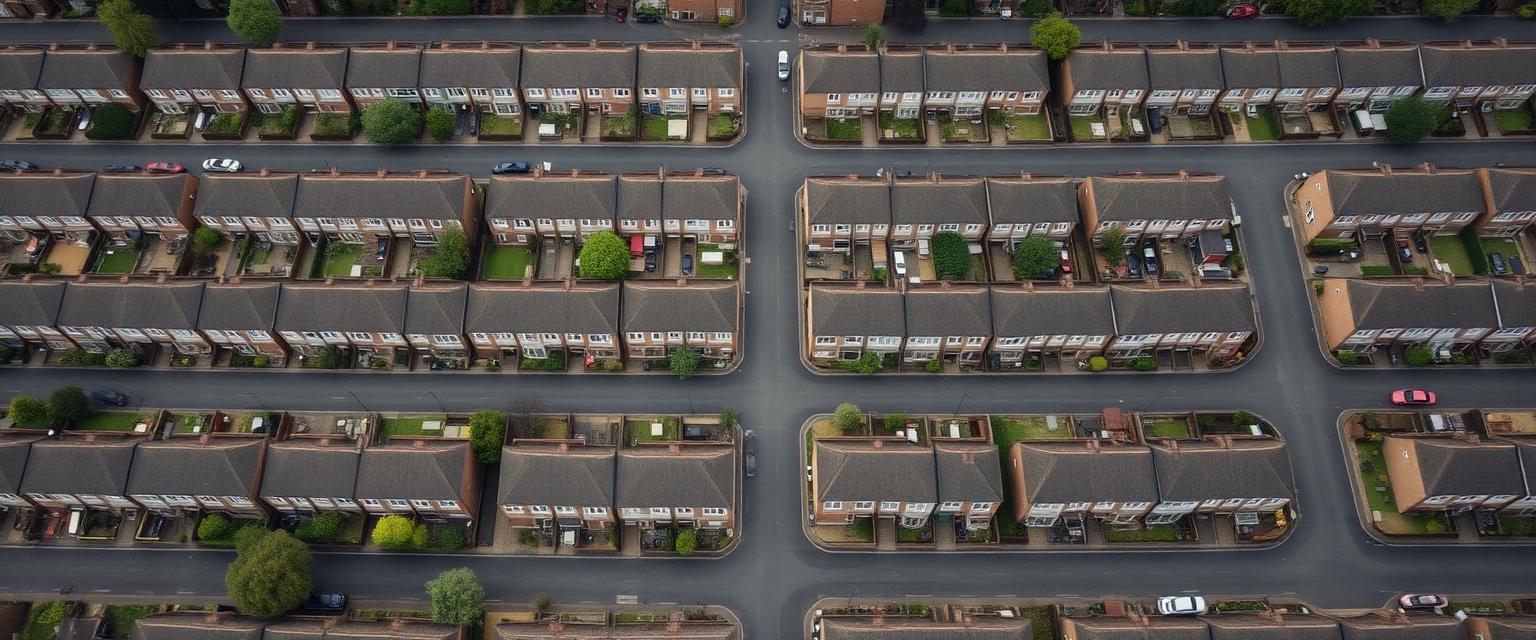
Every participant in the property lifecycle writes the address slightly differently. Abbreviations, flat numbering, historical names and simple errors mean the same property appears as several different records across agent, broker, lender and valuer systems.
Without a durable identity, joining evidence across those parties becomes a matching exercise repeated at every hand-off. Each match is a fresh judgement call, and each judgement call is invisible to the next person who relies on it.
Anchoring the record to UPRN where appropriate changes the economics of the join. Identity is resolved once, scored openly, and then reused by everyone with the right permissions. The effort spent validating the match compounds instead of evaporating.
Match quality itself becomes a visible, scoreable field. Weak matches route to review before they can contaminate a decision. Strong matches carry their confidence with them, so downstream users know exactly what they are relying on.
A durable identity is also what makes monitoring and audit possible. You cannot watch a property for change, or reconstruct why a decision was made, if you are not certain which property the record describes.